
Online part: 18 October 2025 – 26 January 2026
Study visit: 16-20 February 2026
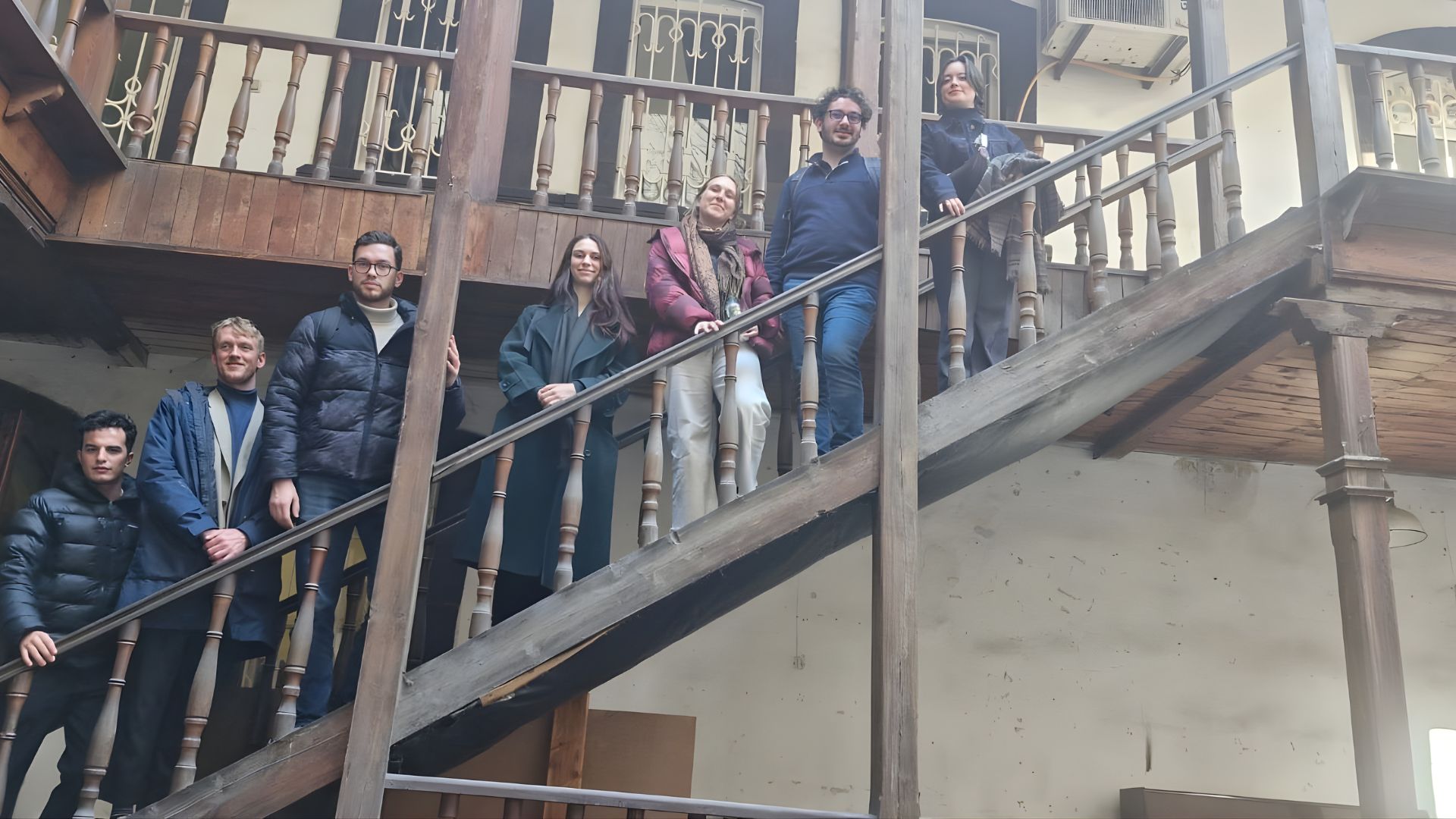
The Jean Monnet course “The EU and Its Eastern Neighbours: Law, Policy and Politics,” designed as a spin-off of the Jean Monnet Chair in EU Legal Studies and Legal Europeanization (funded by the European Union in 2022-2025), has been successfully implemented. 12 talented and motivated emerging professionals from the EU Member States and neighbouring countries participated in the online part, and 8 visited Armenia in person.
The Course began on 18 October 2025 with a series of online lectures covering a wide range of issues related to EU-EaP relations, with the specific emphasis on legal approximation and systemic reforms supported by the EU.
The core classes taught by the Jean Monnet Chair holder were complemented by guest lectures. Dr David Budjashvili presented an in-depth analysis of the development of EU-Georgia relations.
Dr Louise Amoris delivered a presentation titled “Living in the Split: The Agency of Armenia and Georgia In-Between Russia and the EU”, introducing students to the results of her award-winning PhD research project.
Dr Valentina Gevorgyan delivered a presentation on the evolution of Armenian civil society, focusing on the EU’s role in capacity-building and consolidation.
The online part culminated in a very special guest session featuring a panel of alumni from the previous editions of the Jean Monnet Summer and Winter Schools who are currently working for governmental agencies in the EU Member States, EU institutions, international organisations, and in academia. The discussion allowed the exchange of experience and opinions on current issues of European integration and beyond.
The final online class was dedicated to presentations of students’ individual research projects in progress.
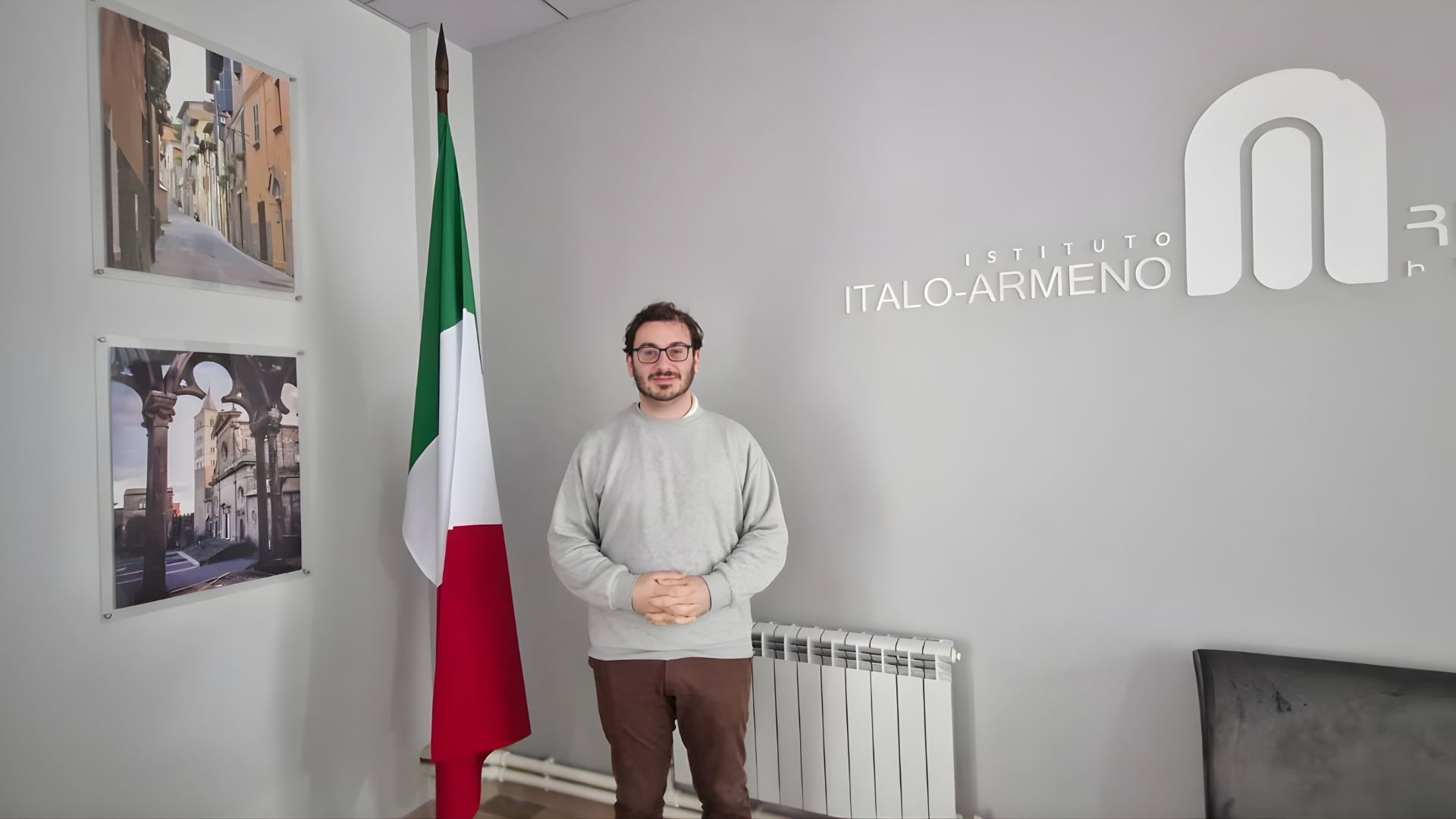
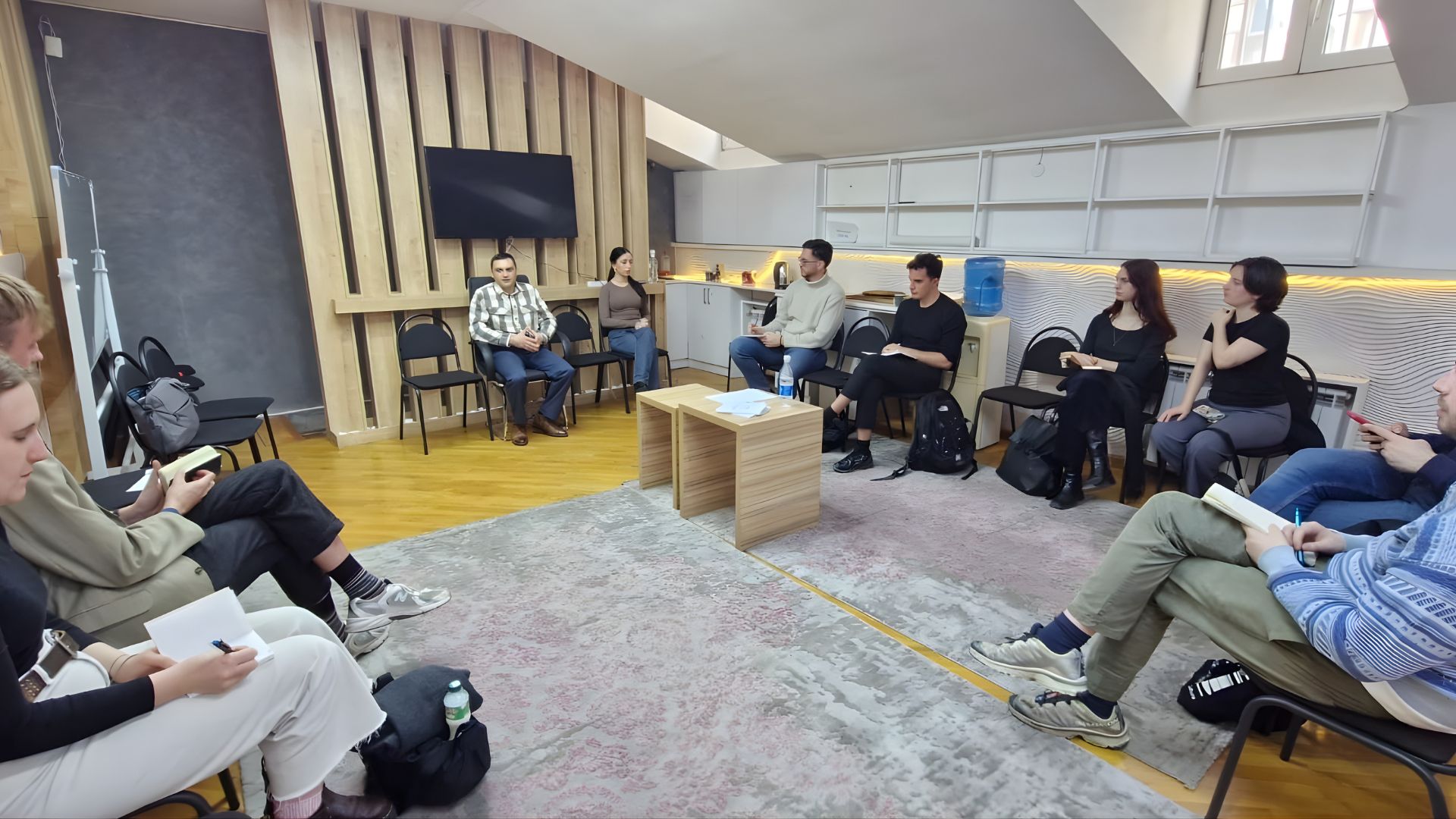
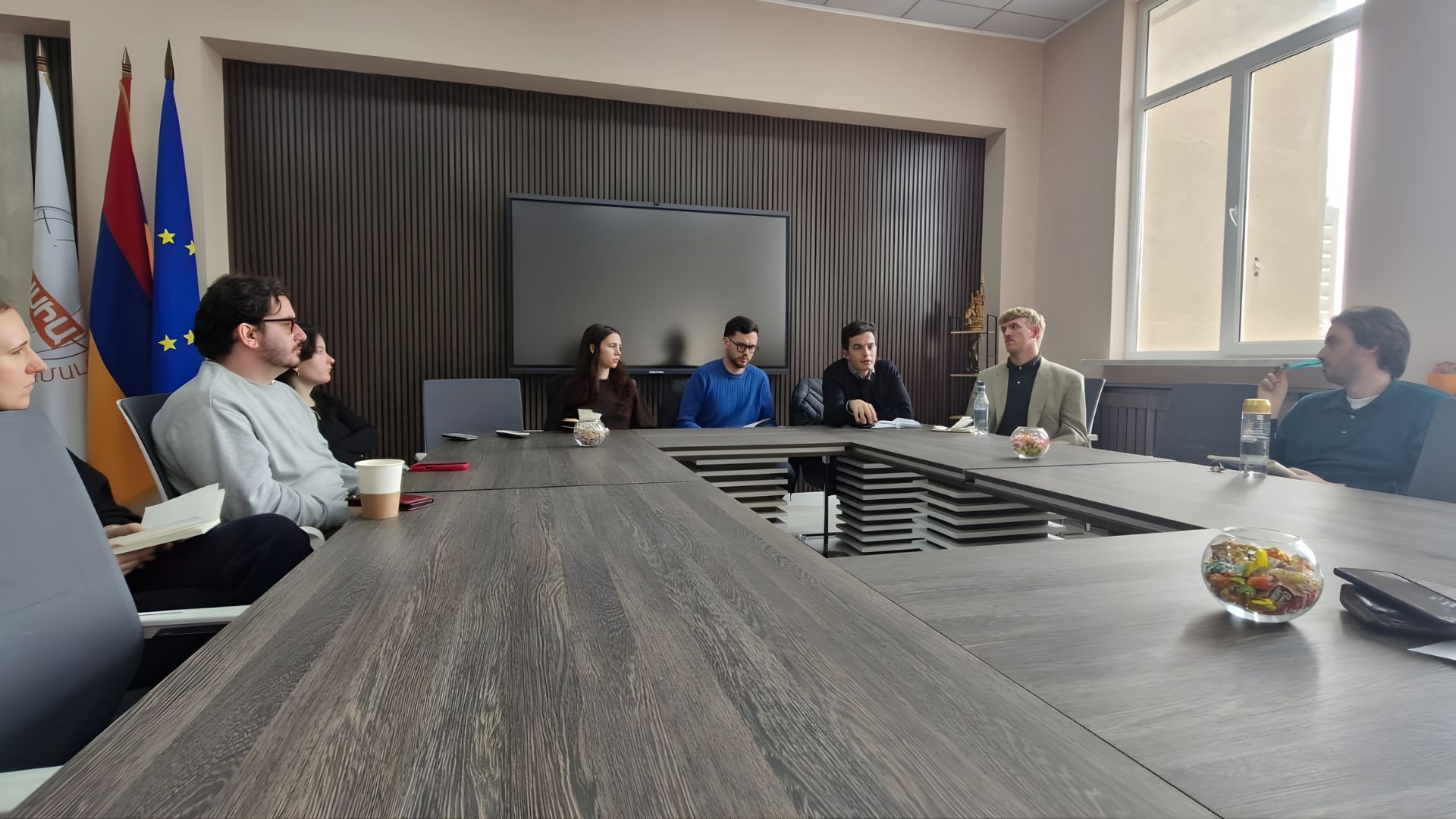
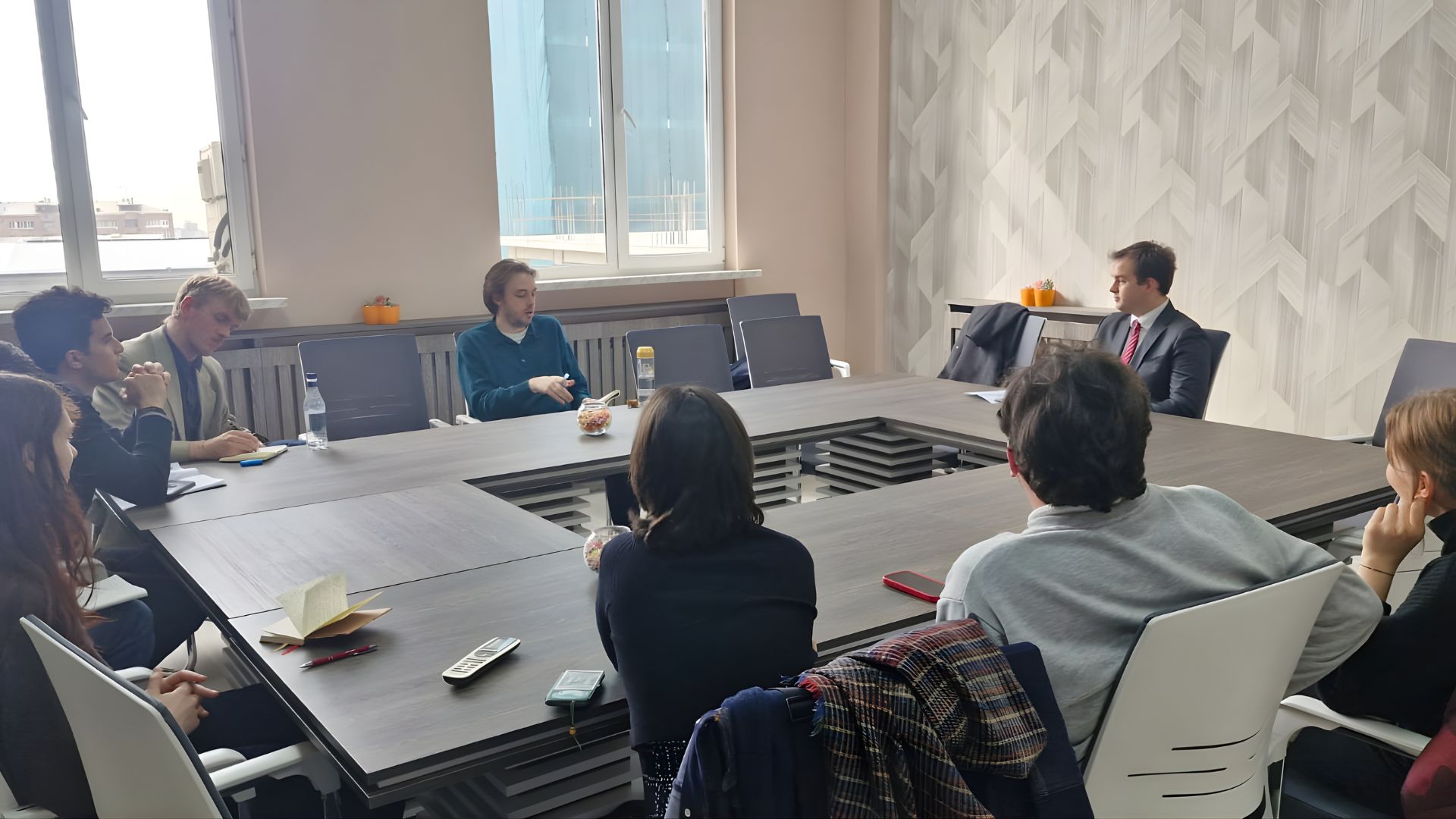
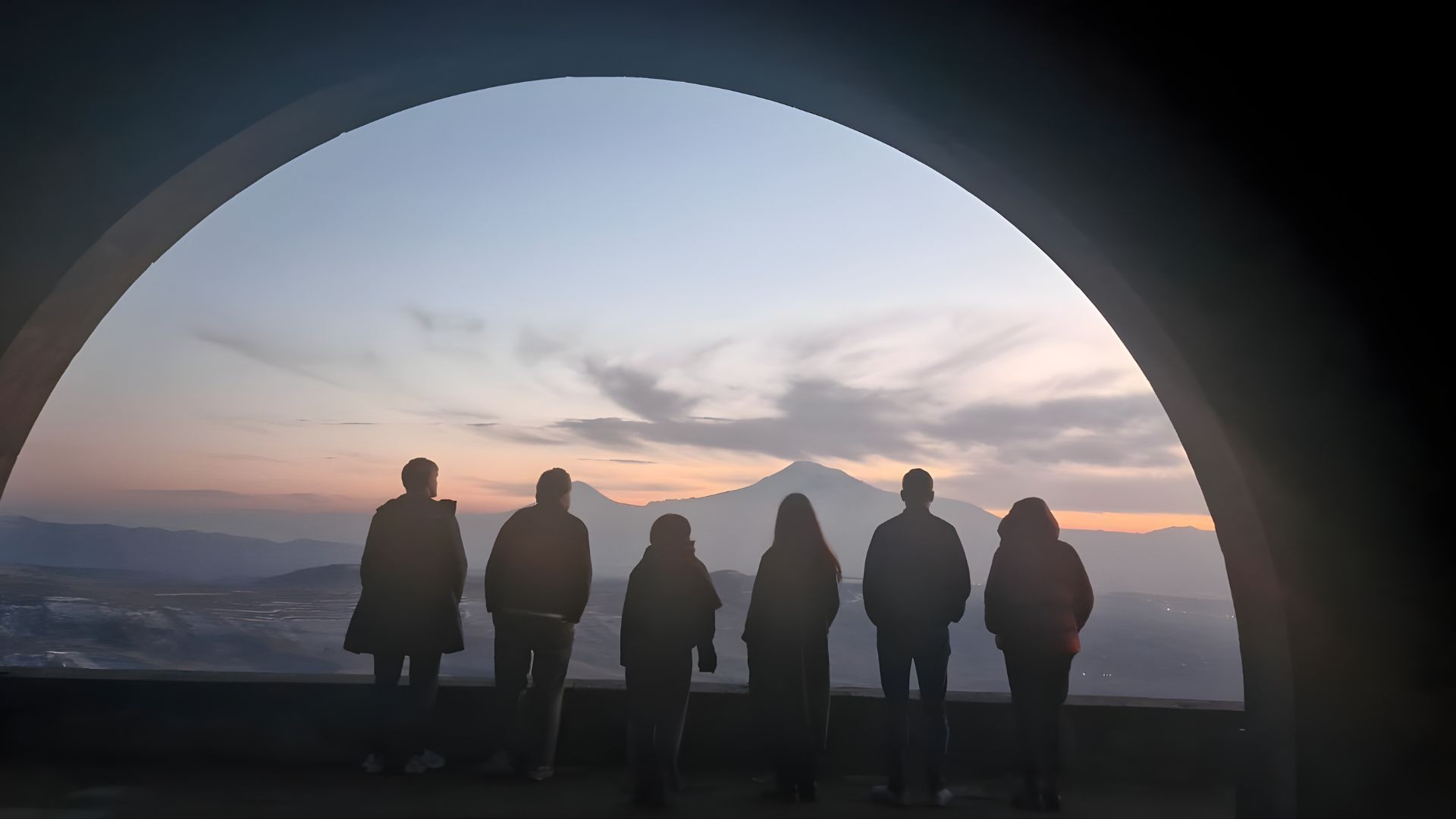
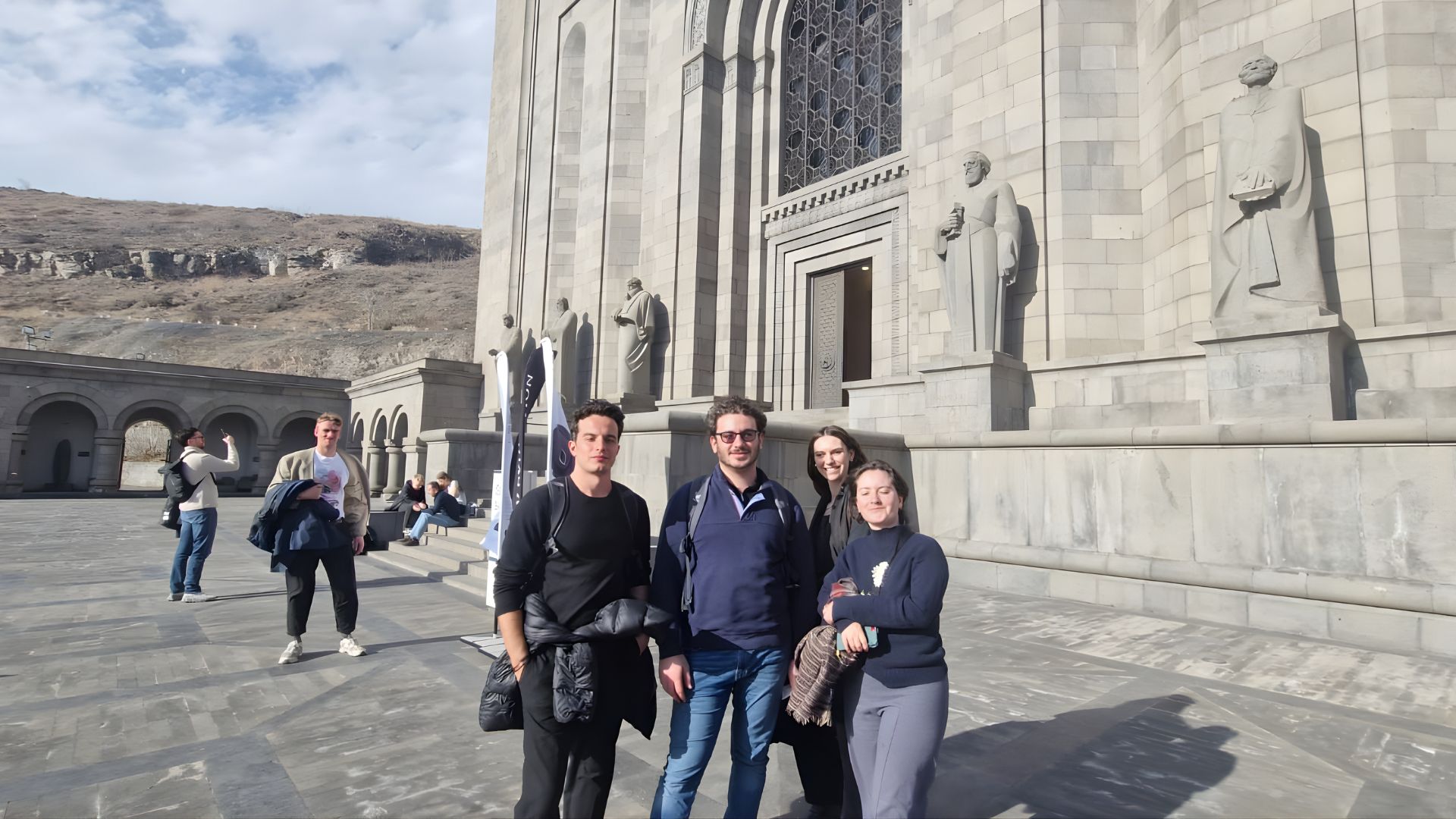
From 16 to 20 February 2026, the course participants visited Armenia. The program of the study visit included meetings with:
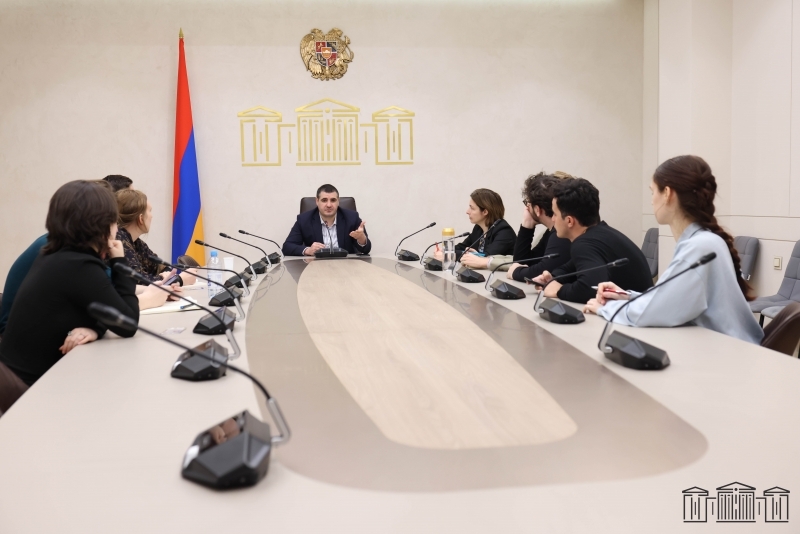
The Chair of the Standing Committee on European Integration of the National Assembly of the Republic of Armenia and co-Chair of the EU-Armenia Parliamentary Partnership Committee, Mr Arman Yeghoyan
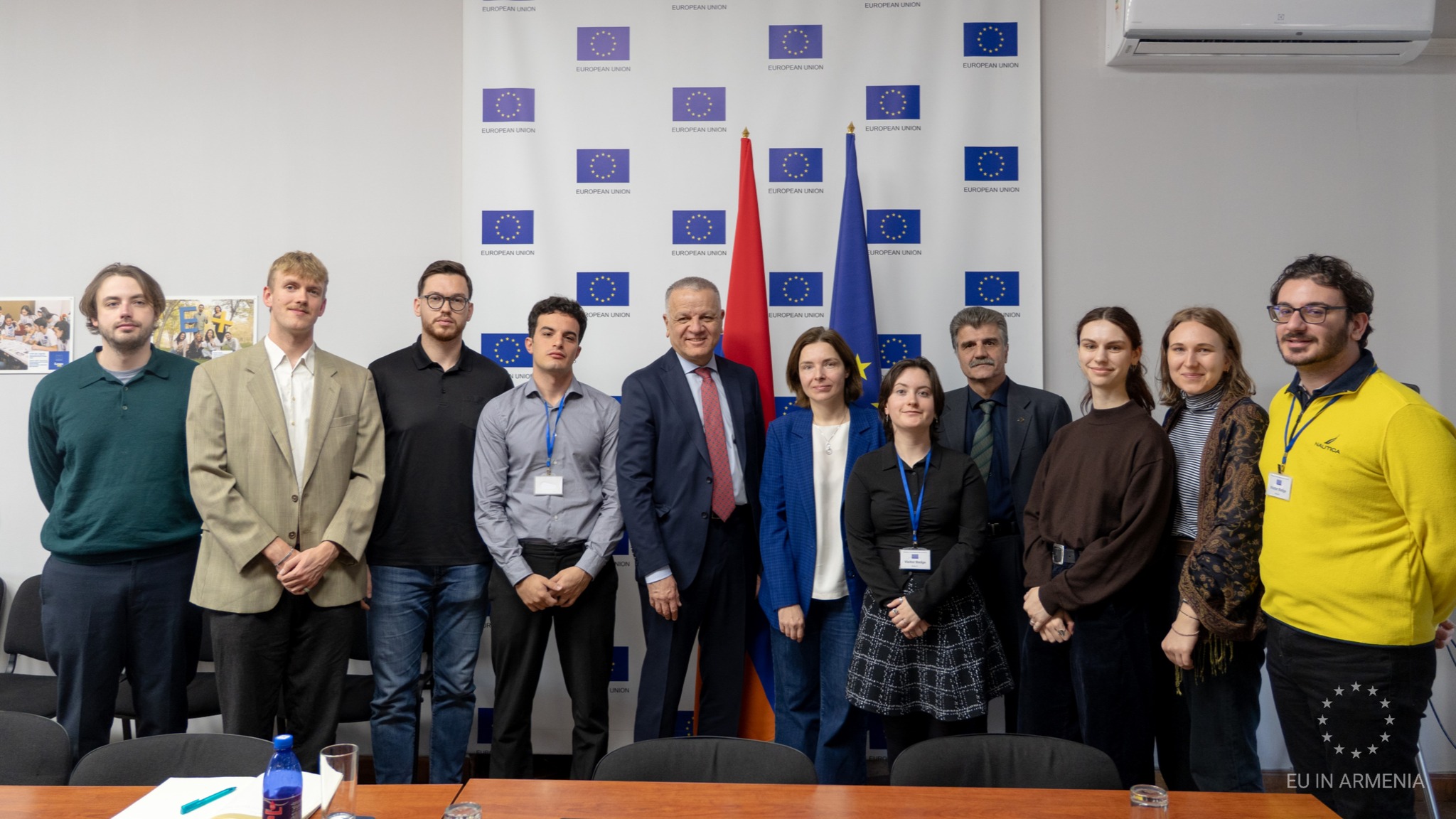
Head of the EU Delegation to Armenia, H.E. Ambassador Vassilis Maragos, Deputy Head of the Mission of the Embassy of the Kingdom of Belgium in Yerevan, Mr Simon Bosmans, President of the Confederation of Trade Unions of Armenia and member of the EU-Armenia Civil Society Platform Ms. Elen H. Manaseryan, Director General of the Armenian Centre for Democracy and Security Affairs, Mr Arnold Bleyan, President of the “Free Citizen” Civic Initiatives Support Centre NGO and the EaP Civil Society Forum Steering Committee member, Mr Hovsep Khurshudyan, President of the Centre for Policy Studies, Mr Armen Grigoryan, Founder and Editor-in-Chief of the Ampop Media and President of the “Journalists for the Future” NGO, and Data-Driven & Explanatory Journalism Advocate, Mr Suren Deheryan.
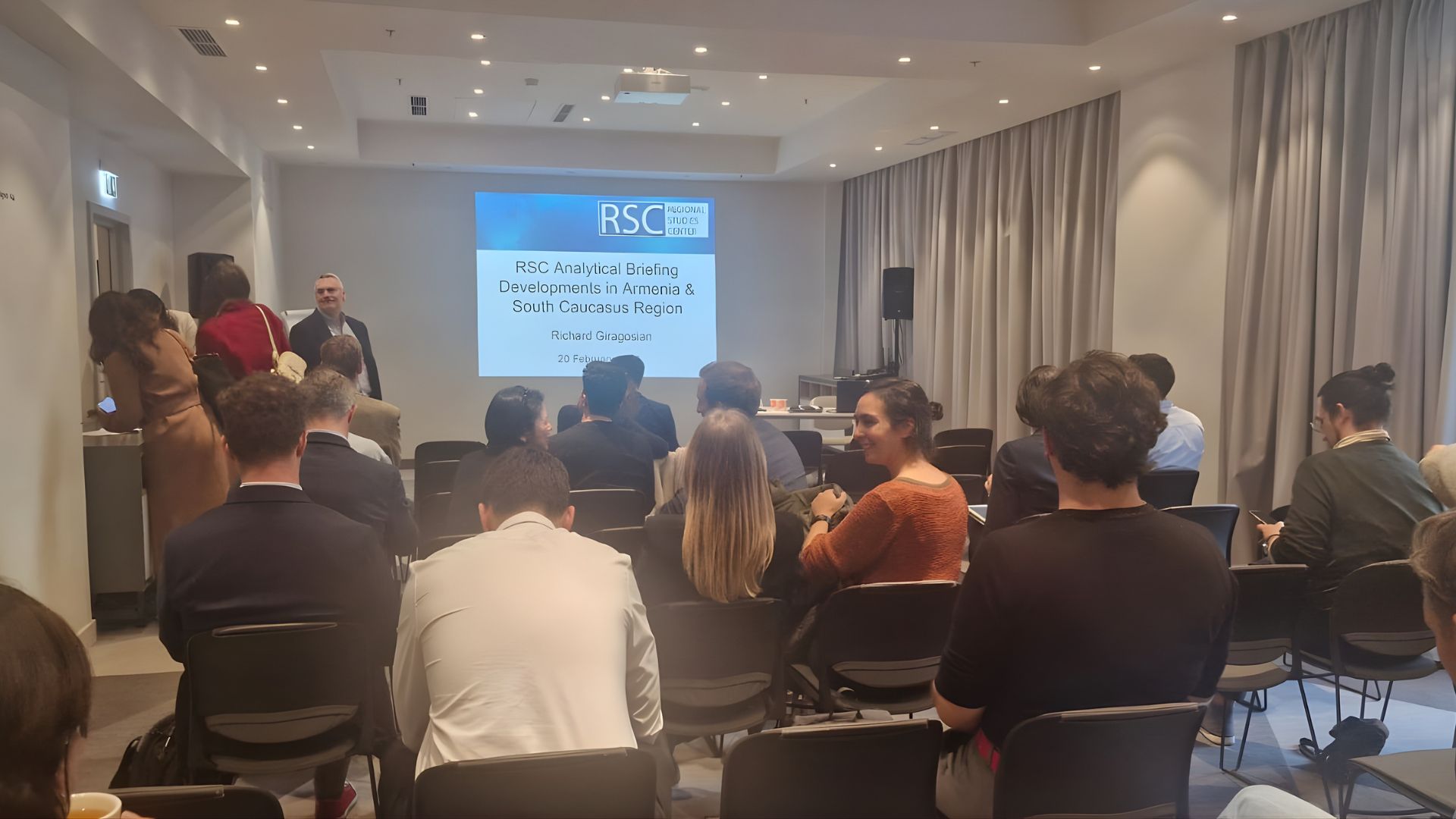
At the end of the visit, participants attended the analytical session by Mr Richard Giragisian, Director of the Regional Studies Centre, focused on Armenia’s foreign relations and domestic political situation, followed by an informal discussion.
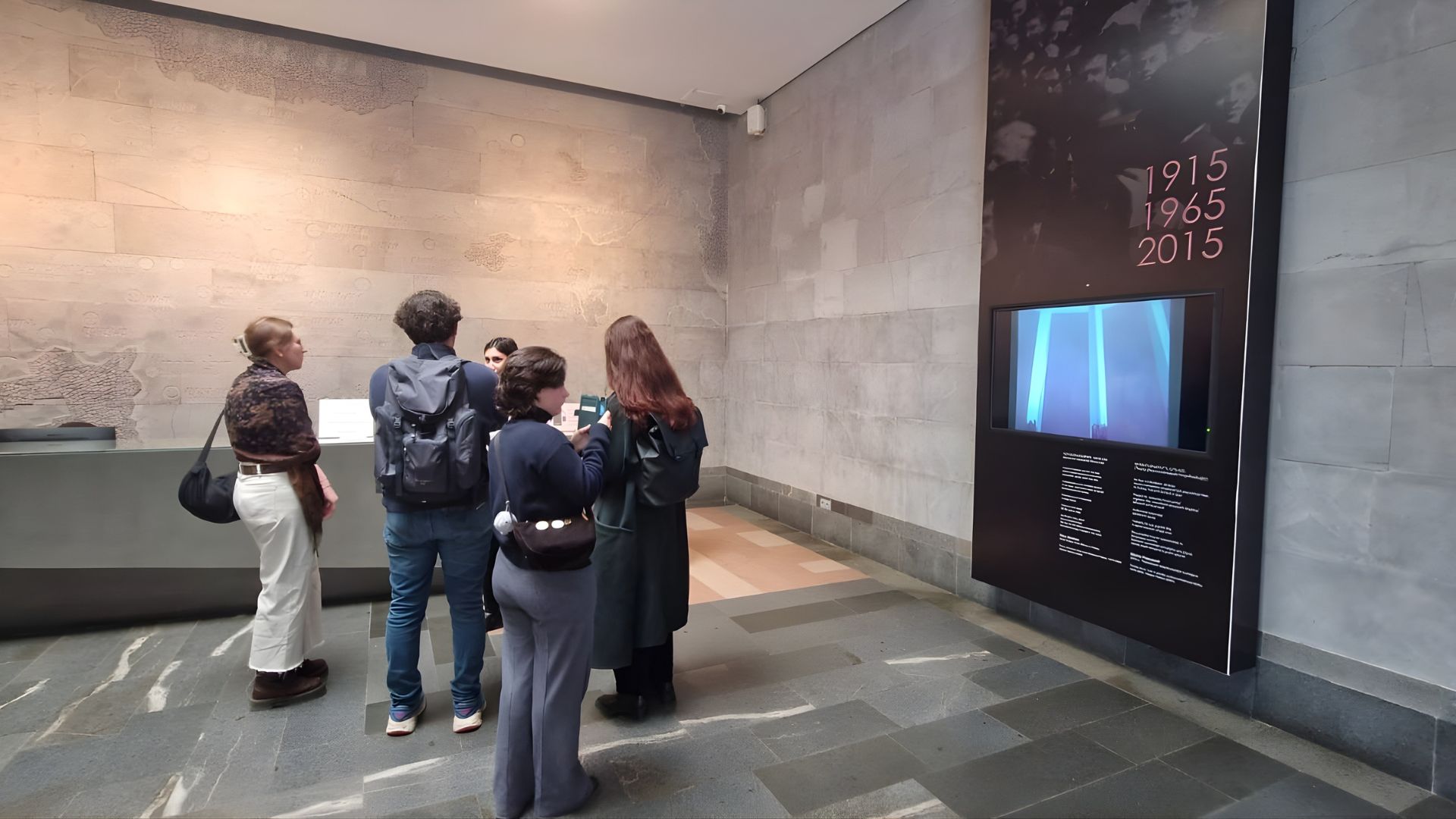
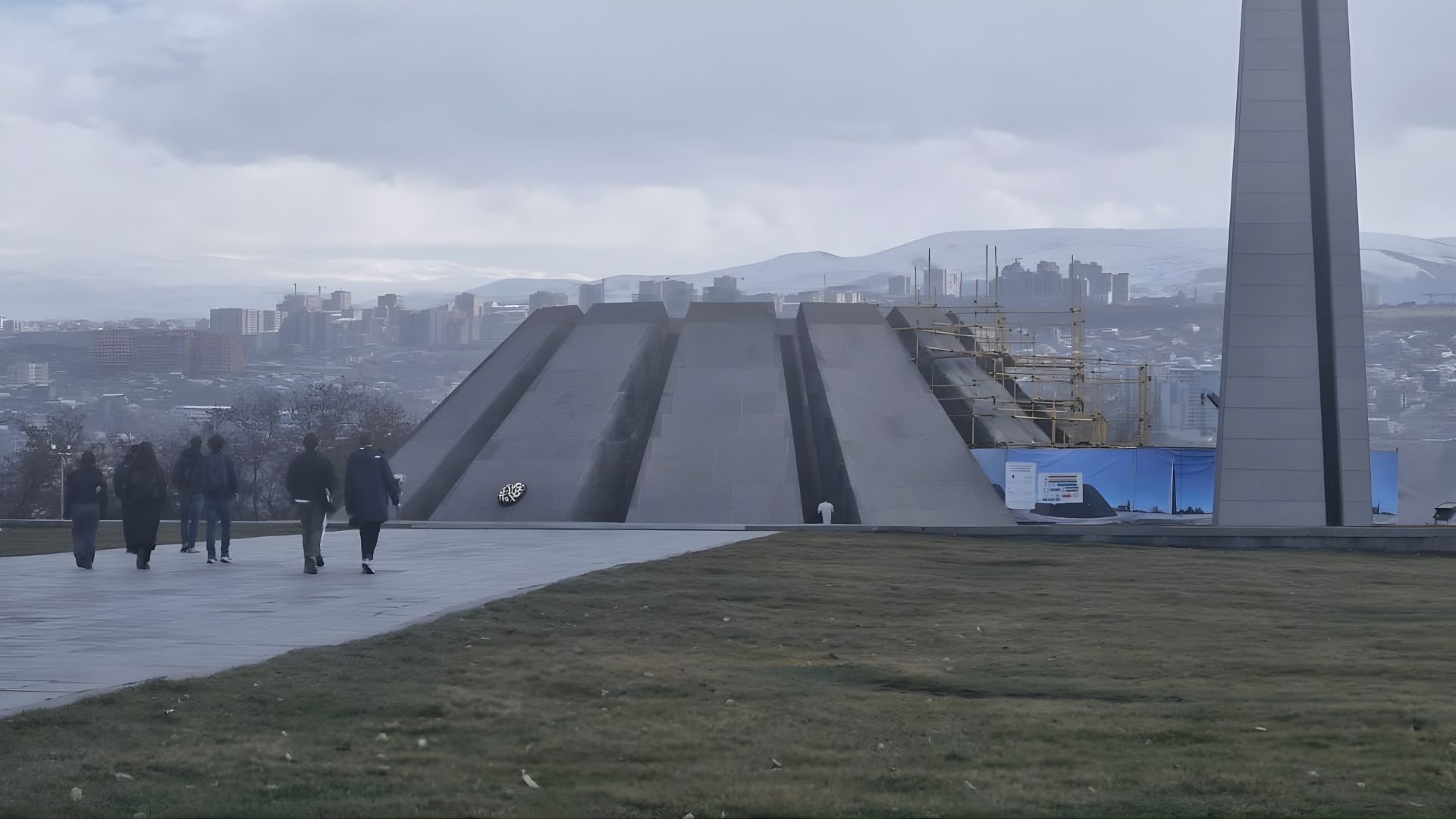
In addition to the expert meetings, the course participants visited the Museum of Genocide and the Genocide Memorial.
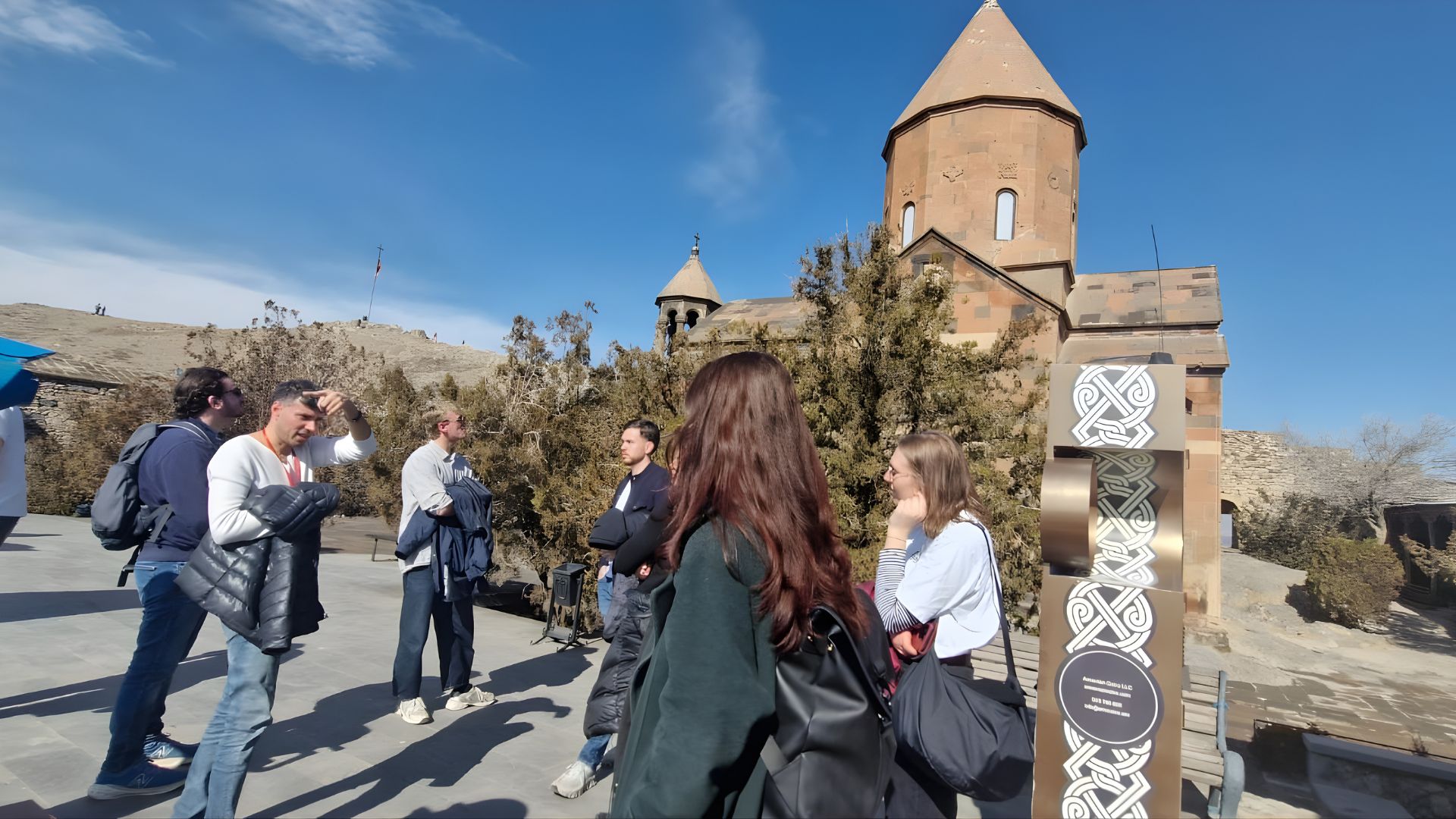
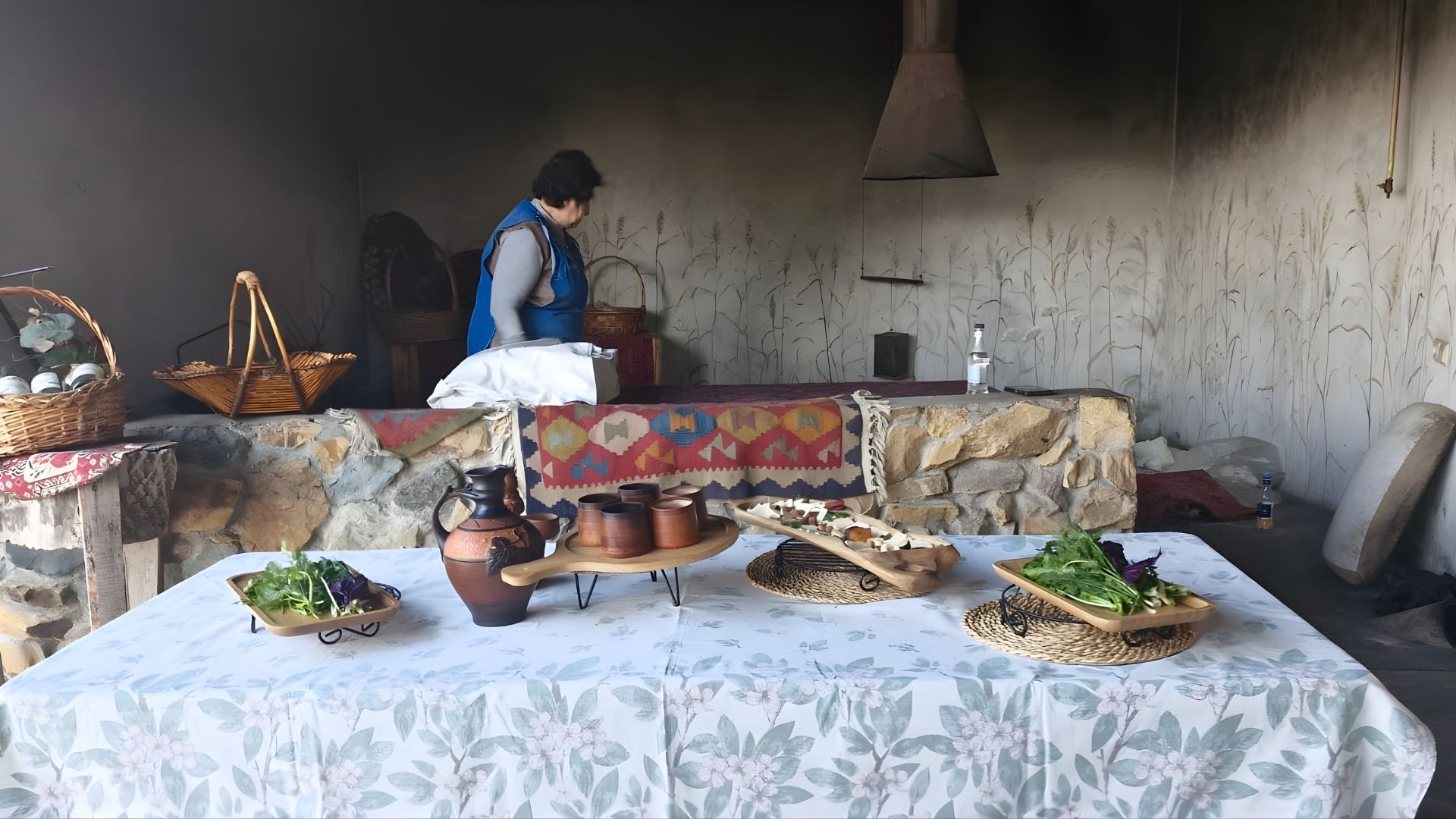
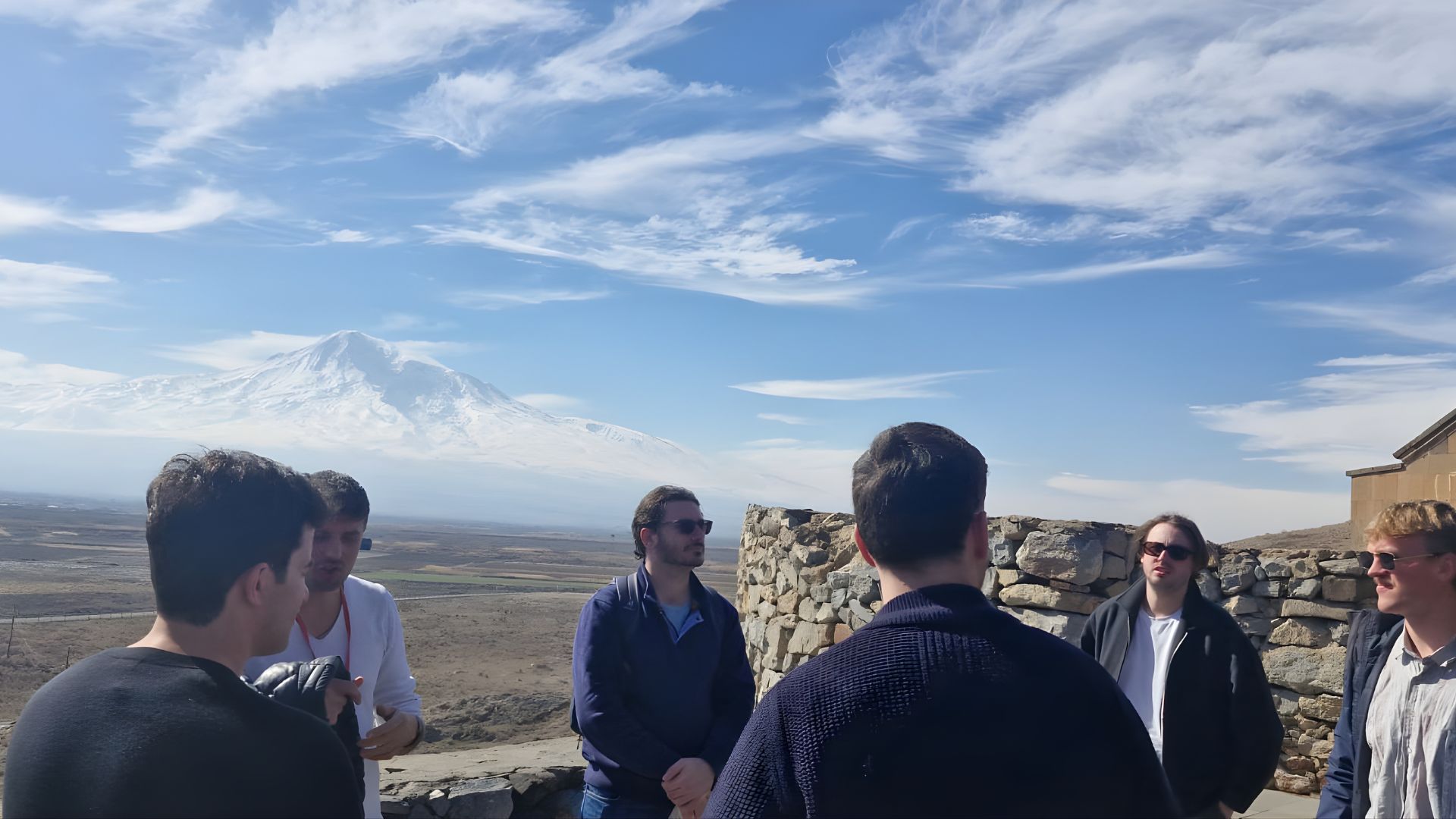
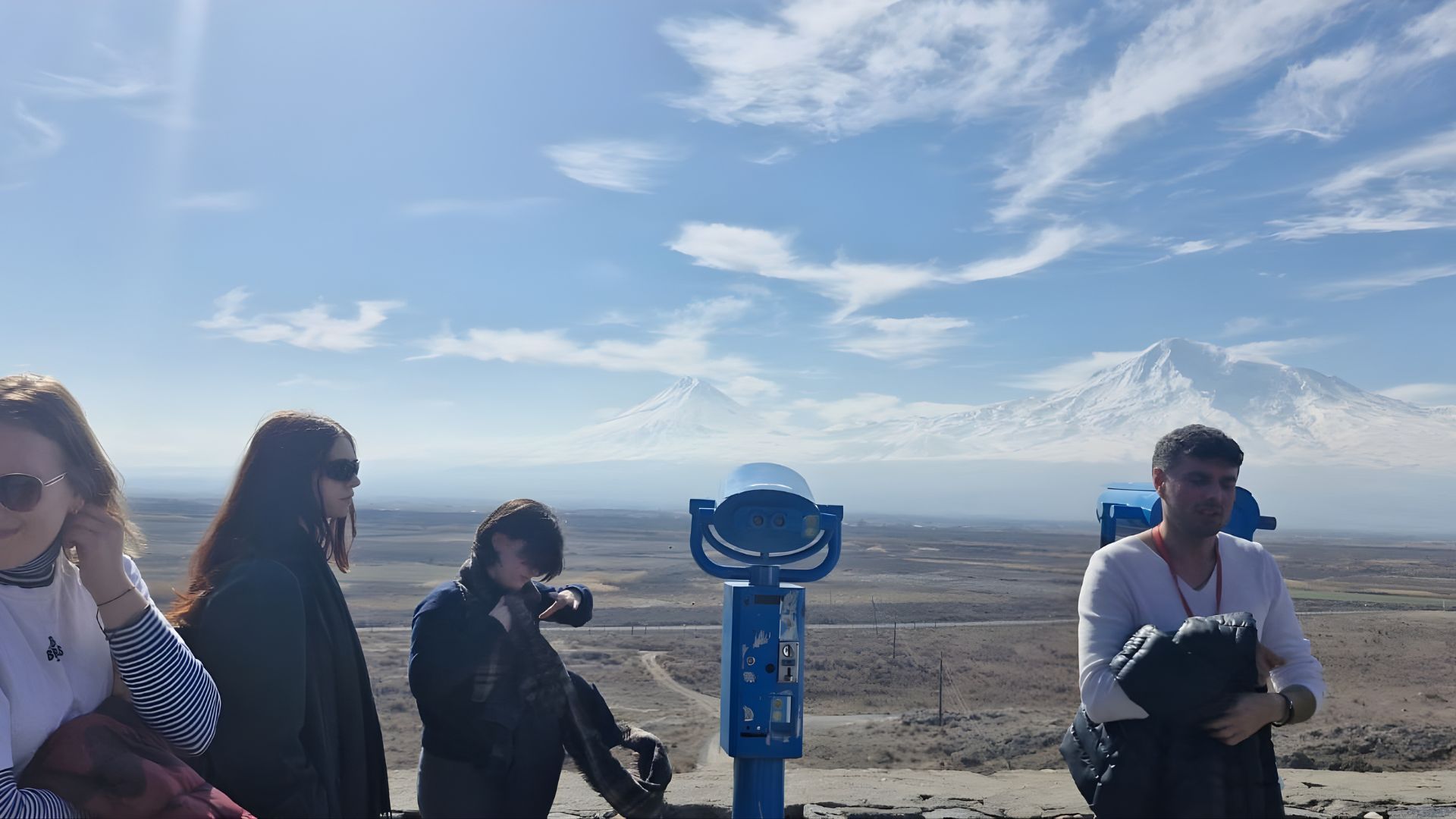
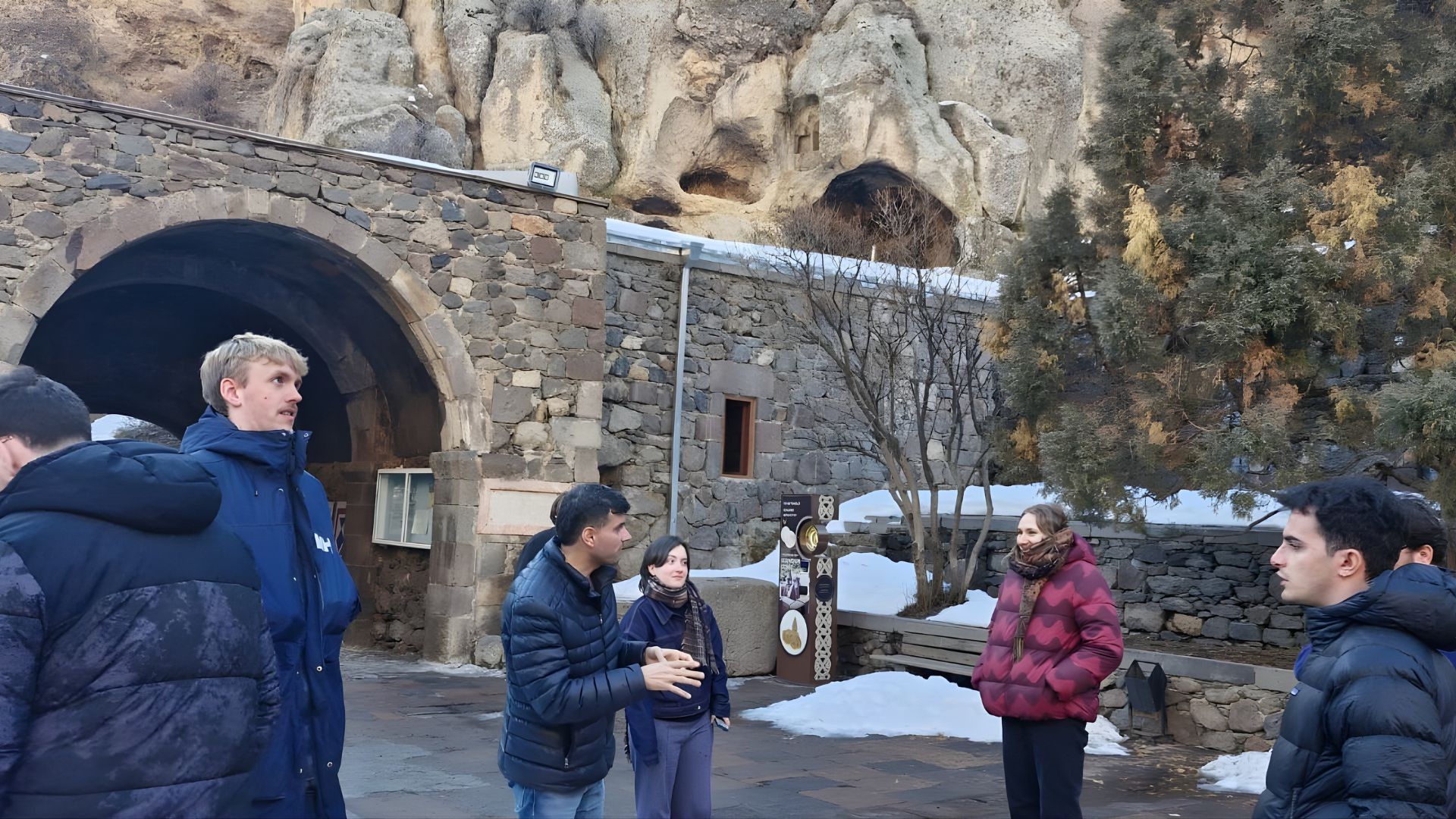
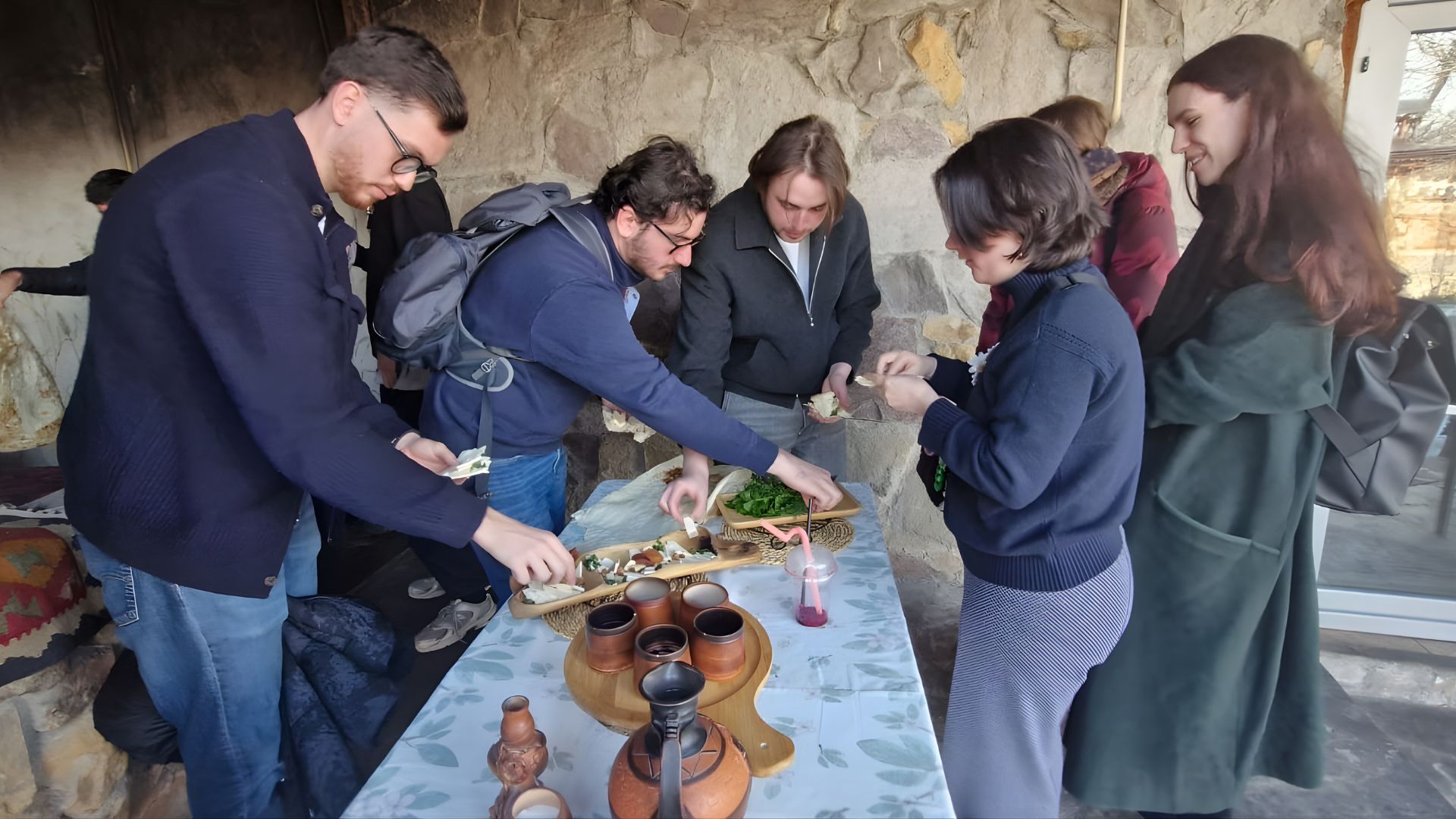
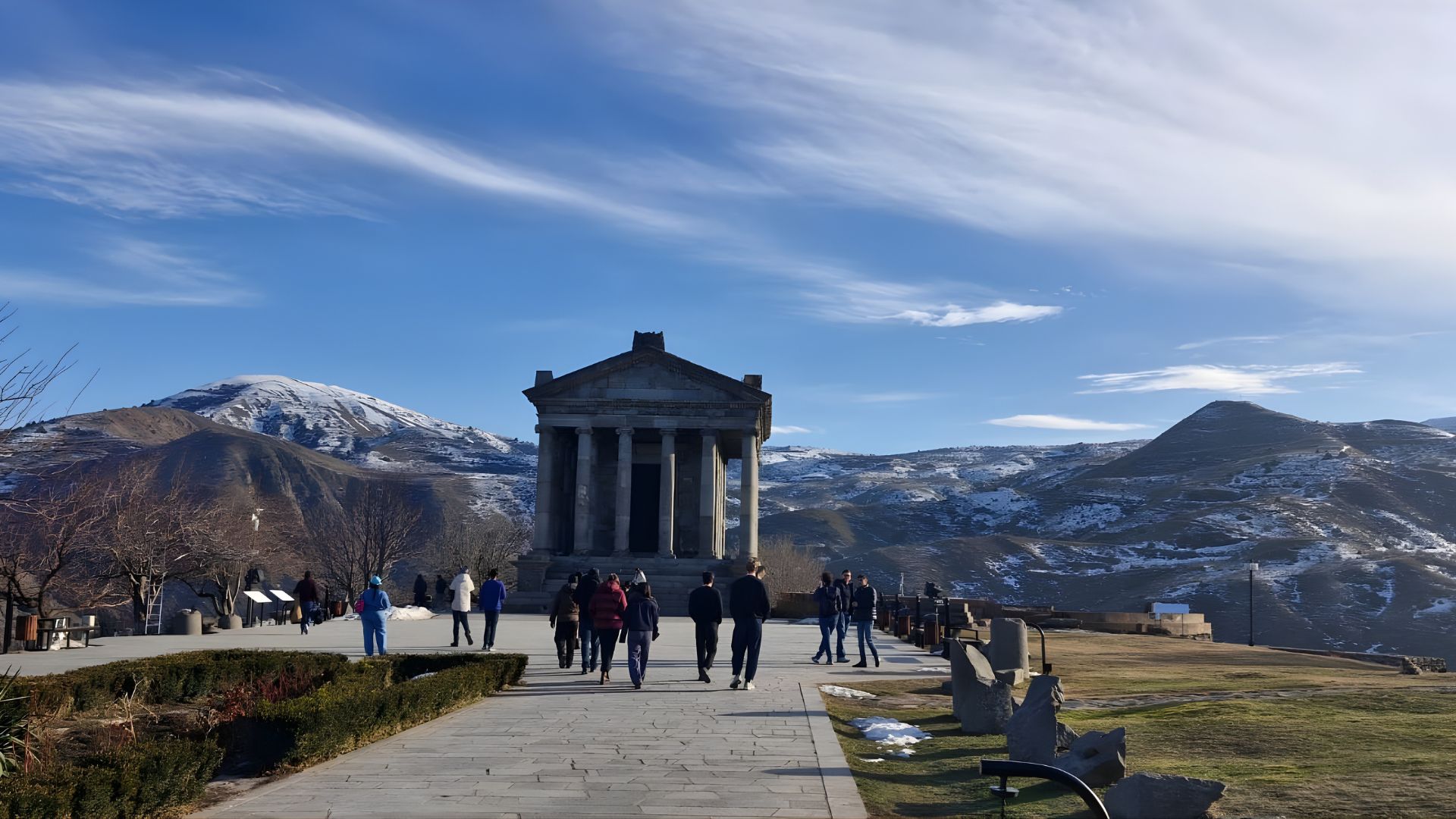
Exploring Armenia beyond Yerevan, the students had a chance to visit Khor Virap and Geghard Monasteries, as well as Garni Temple, and tasted freshly baked traditional bread – lavash.
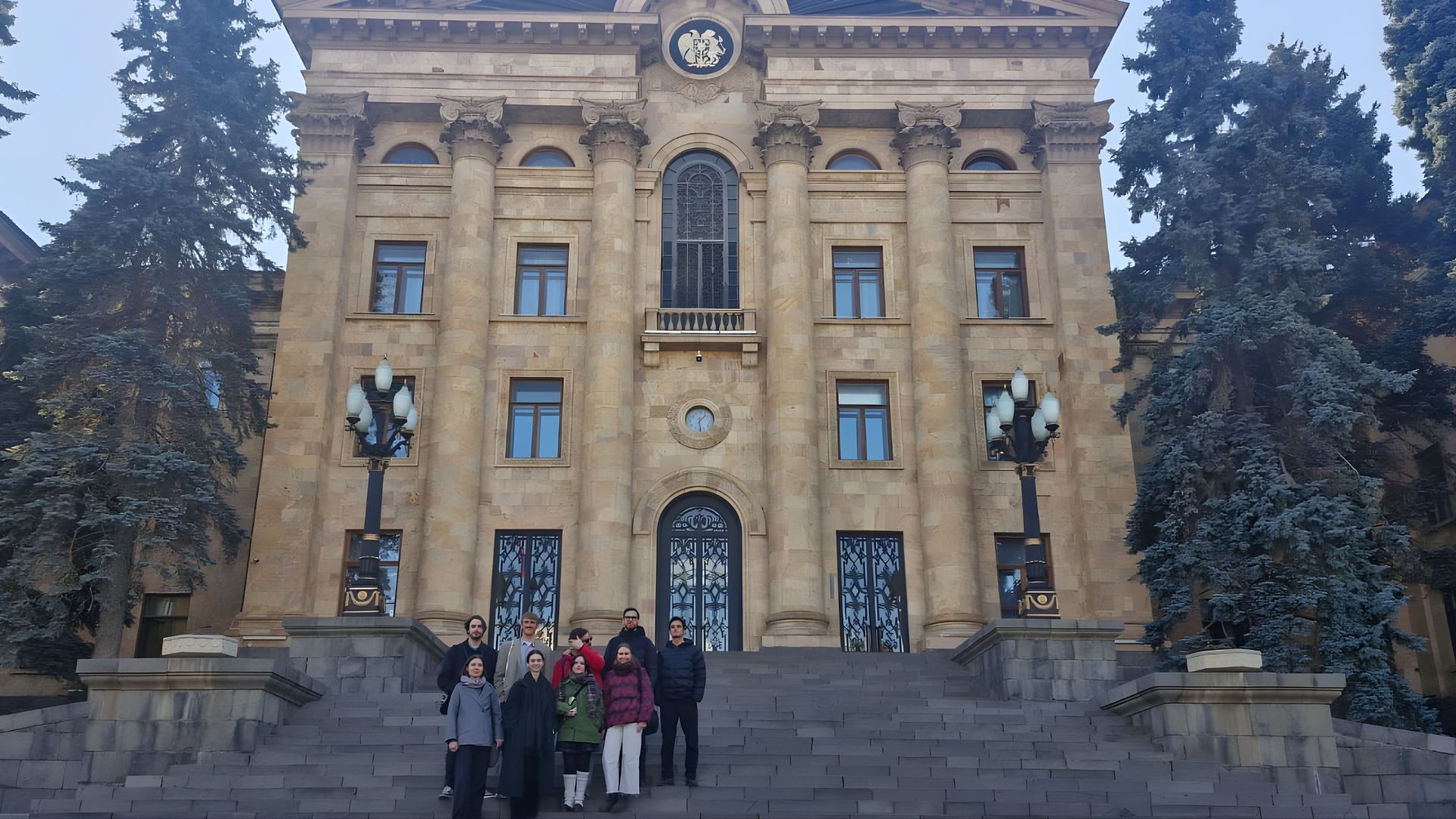
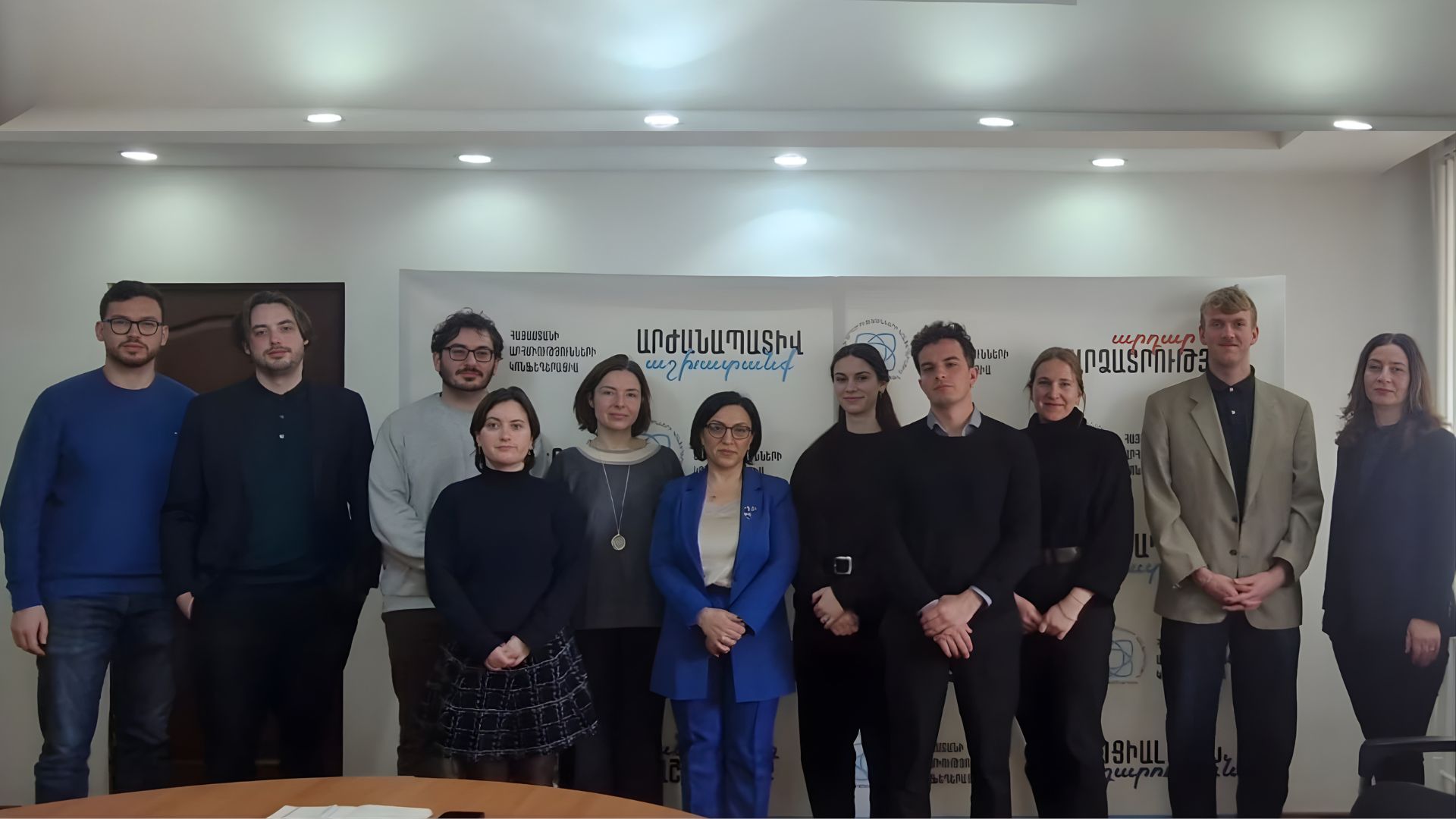
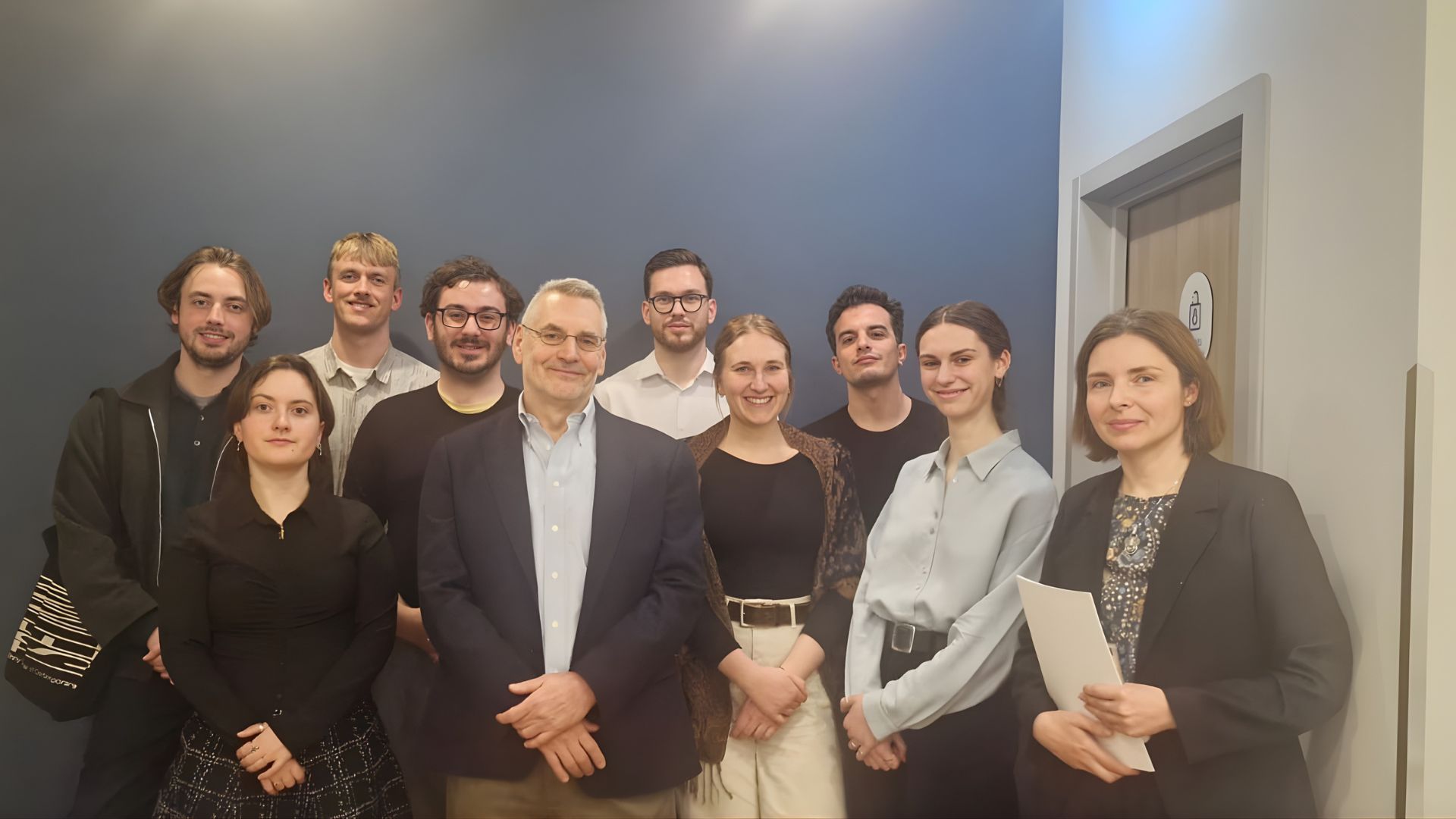
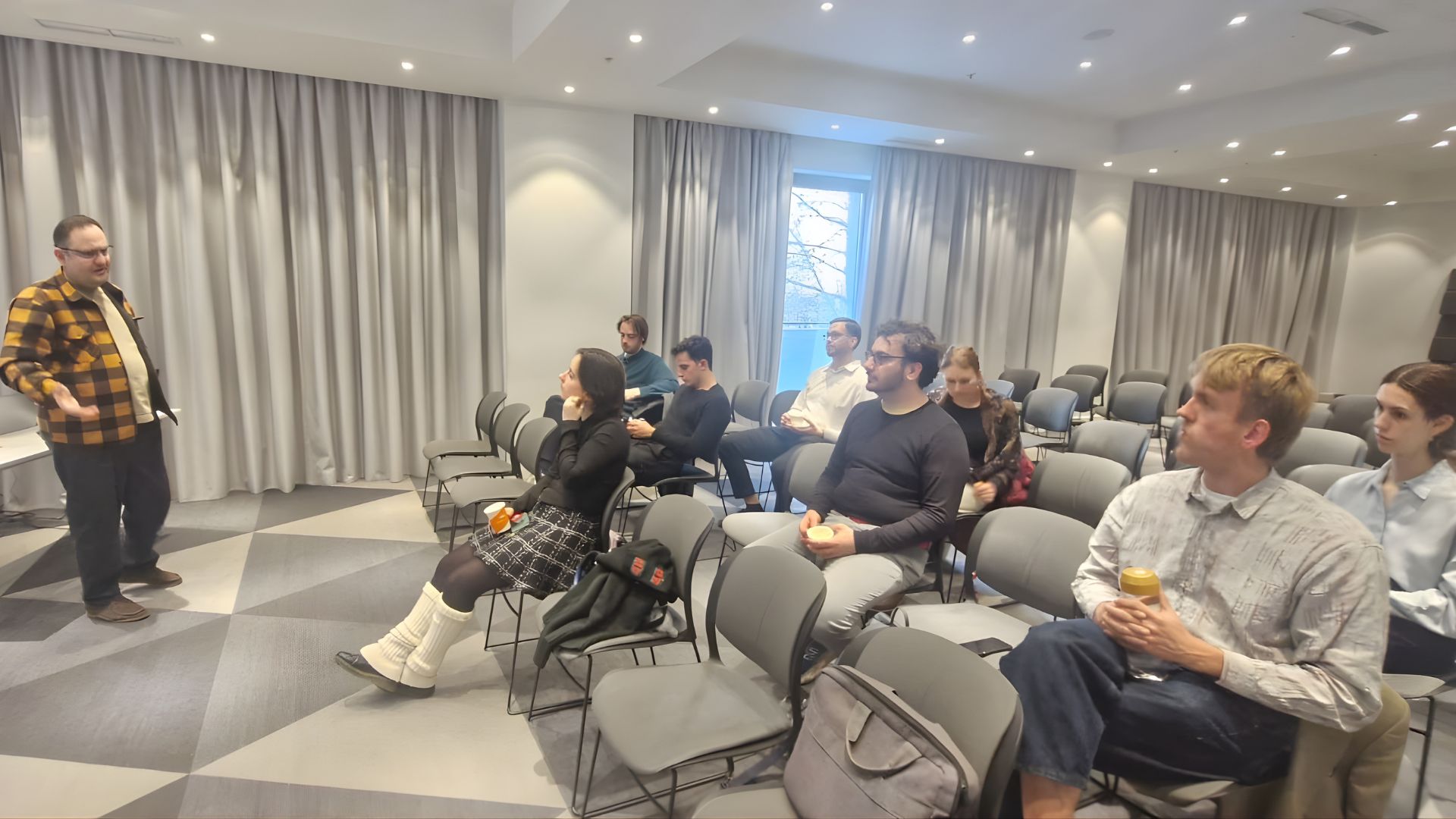
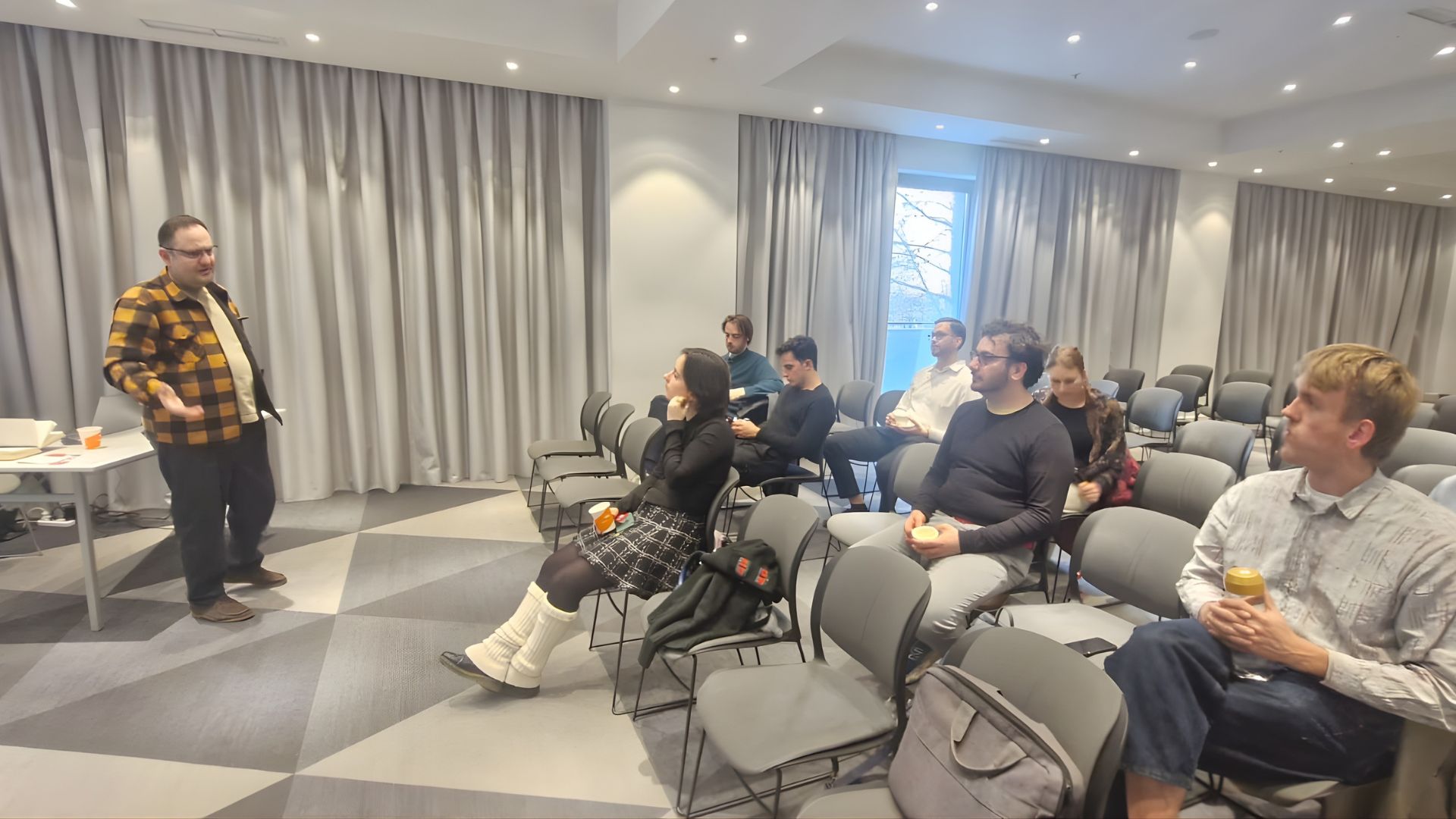
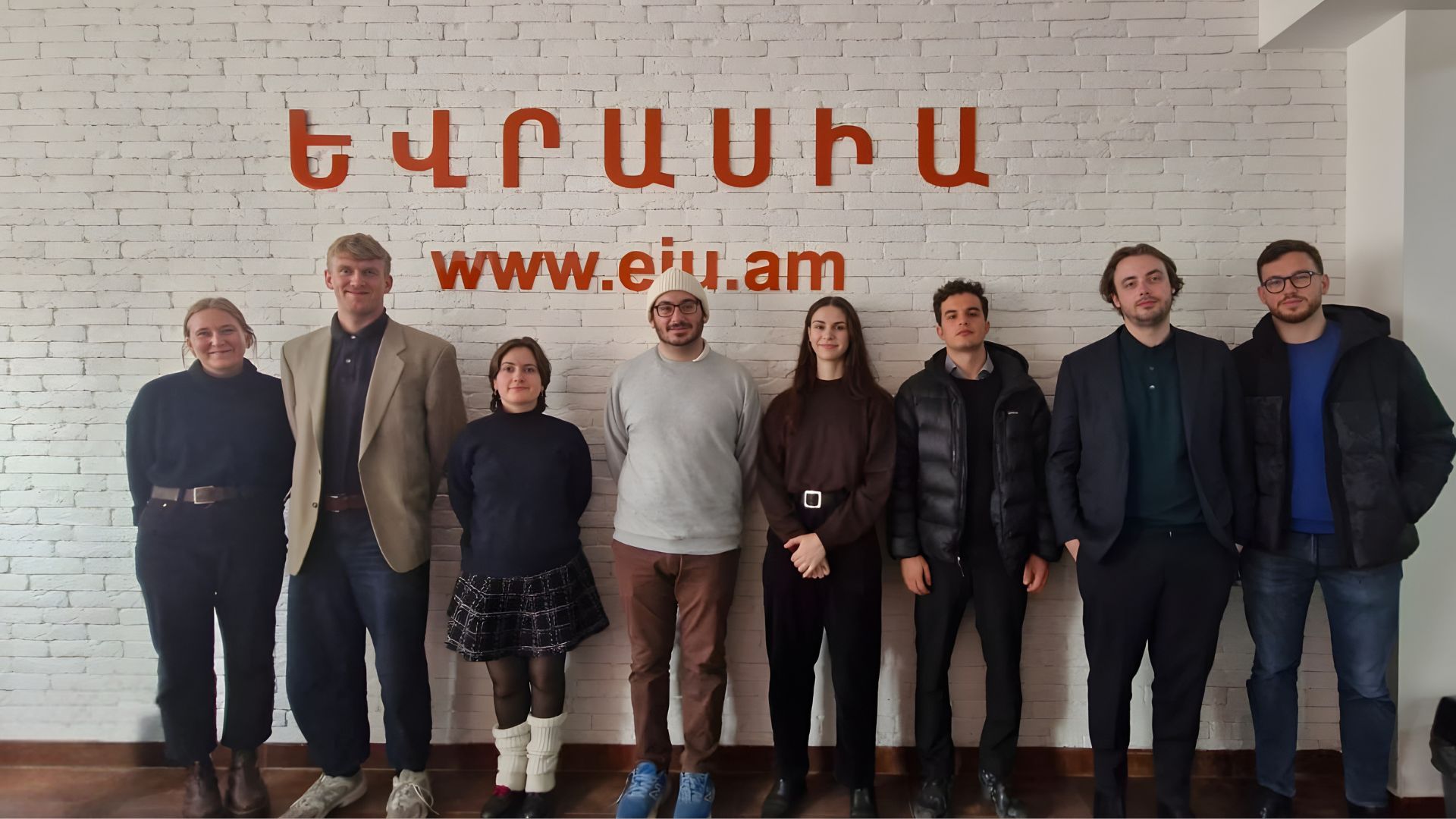
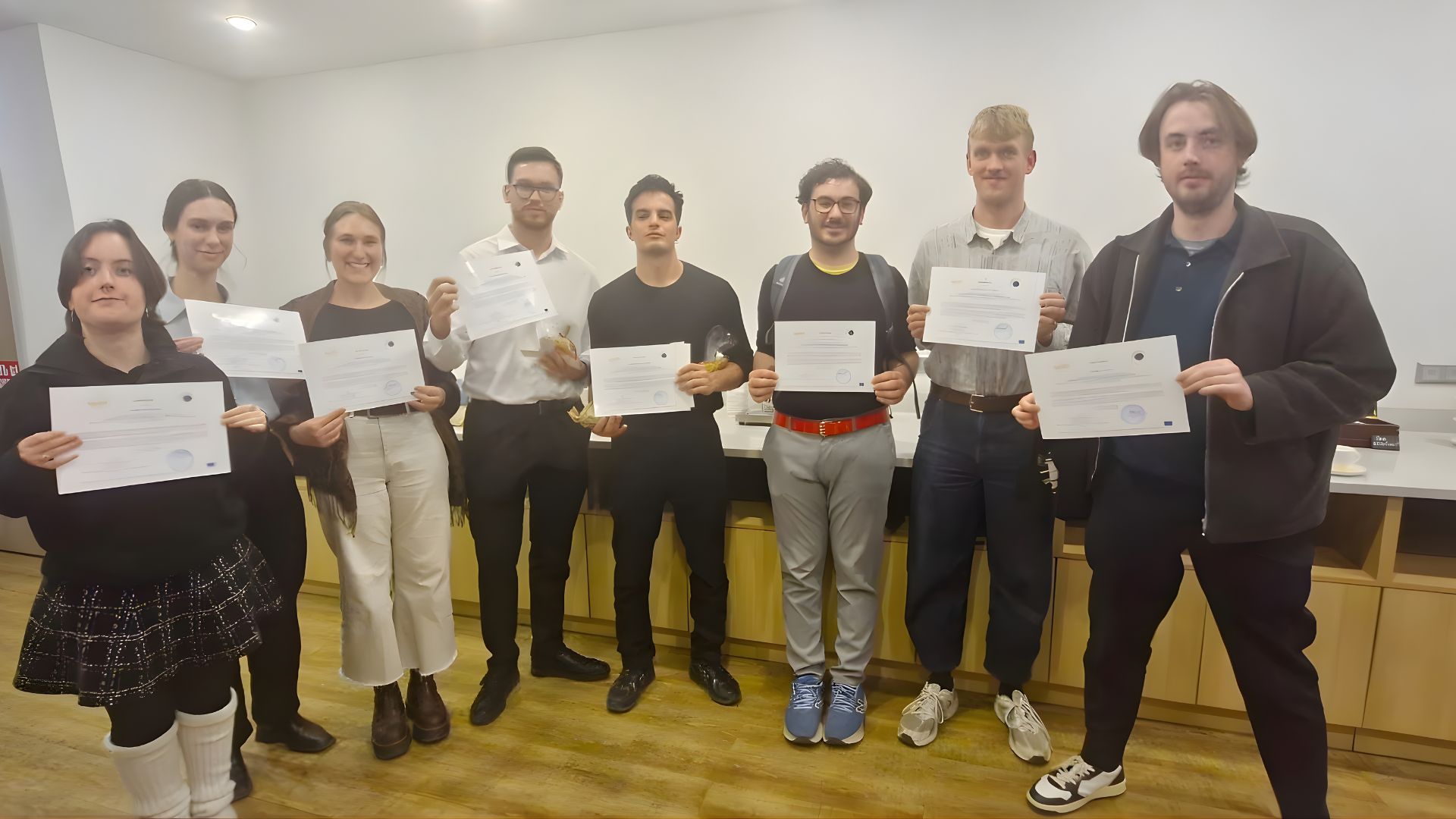
The students and graduates of the following programmes took part in the course: International Master’s Programme in Central and Eastern European, Russian, and Eurasian Studies of University of Tartu (Estonia), University of Glasgow (UK), and Ilia State University (Geogia); PhD Programme in European Studies of University of Ljubljana (Slovenia); Master’s Programme in Peacebuilding and Conflict Studies of University of Osnabrück (Germany); Master’s of International Affairs of Hertie School (Germany); Erasmus Mundus Master in European Politics and Society (Charles University, Czech Republic); Master’s Programme in Southeast European Studies of University of Graz; BA Liberal Arts Programme in World Politics and MSc in Crisis and Security Management of Leiden University (the Netherlands); MA in International Relations and Modern History of University of St Andrews (UK).


